When the Sun Goes Down in Port Said: A Traveler's Guide to Evenings on the Canal
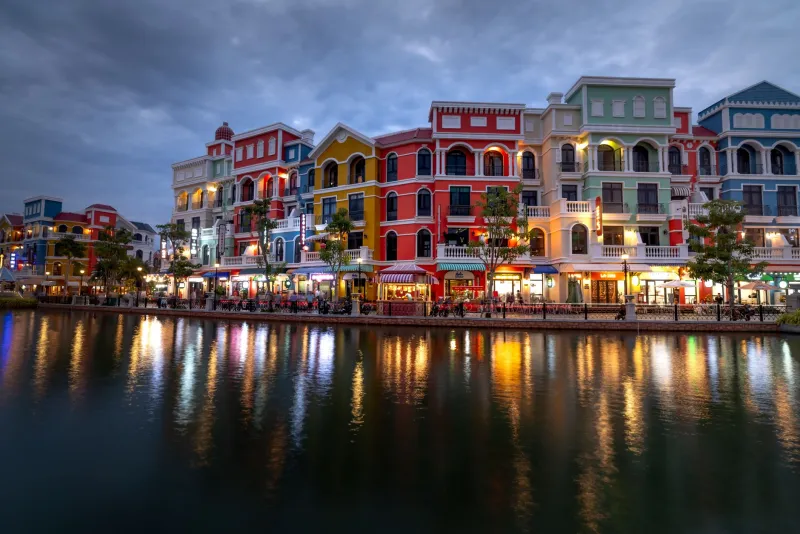
If your mental image of an Egyptian evening involves belly dancing and touristy dinner cruises, Port Said is about to pleasantly confuse you. This city has been a crossroads of international trade since 1869, and that history has left it with a nighttime culture that's part Mediterranean port town, part Egyptian tradition, and part something entirely its own.
The trick is knowing where to look — and being willing to follow the locals rather than the hotel concierge's laminated sheet.
The Golden Hour Belongs to the Waterfront
Start at the harbor. Seriously — if you do nothing else in Port Said after 5 p.m., go stand somewhere with a view of the canal and watch the evening convoy come through.
There's something almost meditative about it. These enormous ships — some of them longer than multiple city blocks — glide past in near silence, lit up like floating apartment buildings against the darkening sky. The scale is hard to process. Locals who've lived here their whole lives still stop to watch. Visitors tend to get very quiet.
The Corniche, Port Said's main waterfront promenade, gets noticeably livelier as the heat of the day breaks. Families come out, vendors set up, kids run around. It has that specific energy of a city exhaling. Grab a spot on a bench or pull up a plastic chair at one of the small canalside cafés and let the scene come to you.
Ahwa Culture: The Real Nightlife Institution
Before we talk about restaurants and bars, let's talk about ahwas — the traditional Egyptian coffeehouses that are, genuinely, the beating heart of social life in this city after dark.
An ahwa is not a café in the American sense. It's less about the coffee (though the coffee is good — strong, cardamom-spiced, served in small glasses) and more about the ritual of being somewhere together. You'll find men of all ages gathered around small tables, playing backgammon or dominoes, smoking shisha, watching football on a mounted TV, and talking. Always talking.
As an American visitor, you might feel a little conspicuous walking into a traditional ahwa — but most places are genuinely welcoming to curious outsiders. Point at what someone else is having, smile, and you'll figure it out. The atmosphere alone is worth the mild awkwardness of not knowing the protocol.
Some of the best ahwas in Port Said are clustered in the older neighborhoods away from the main tourist drag. If you're staying near the city center, ask your hotel staff where they actually go — not where they send tourists.
The Historic Hotels and What They Still Offer
Port Said has a handful of grand old hotels that date back to the early twentieth century, built to accommodate the merchants, diplomats, and adventurers who passed through during the canal's heyday. A few of them have been renovated; others are a little faded around the edges. Either way, their bars and restaurants carry a specific atmosphere that newer places can't manufacture.
Sitting in one of these hotel dining rooms — maybe under a slowly rotating ceiling fan, with the distant sounds of the harbor drifting in — you can almost feel the layers of history in the walls. These were places where ship captains drank with cotton traders, where news of distant wars arrived by telegram. The food is generally reliable (seafood is always a safe bet in Port Said), and the people-watching is excellent.
Even if you're not staying at one of the older properties, it's worth stopping in for a drink or dessert. Think of it as time travel that comes with a menu.
Where the Younger Crowd Goes
Port Said has a real university population and a growing community of young professionals, and their evening scene has been quietly developing over the past decade or so. You'll find newer restaurants along some of the side streets off the main commercial areas — places with better lighting, playlists that lean international, and menus that blend Egyptian classics with influences from elsewhere.
These spots tend to fill up later than American restaurants do. Don't show up at 7 p.m. expecting a buzzing room — come back at 9 or 10 and it'll be a different story. Egyptians eat late, and Port Said is no exception.
Fresh seafood is the move. The city sits at the junction of the Mediterranean and the canal, and the fish here is exceptional. Grilled sea bass, fried calamari, shrimp prepared a dozen different ways — you can eat extraordinarily well for prices that will make you feel slightly guilty. A full seafood dinner for two, with drinks and mezze, might run you the equivalent of what you'd spend on a mediocre lunch back home.
A Few Practical Notes for American Visitors
Port Said is generally quite safe for tourists, including at night, but a few things are worth knowing before you head out.
Alcohol is available — Port Said is less conservative than some other Egyptian cities in this regard — but it's not everywhere, and you'll want to know which establishments serve it before you sit down. Your hotel can give you a current list. The situation shifts, and what was open last year might have changed.
Dress modestly by default, especially if you're wandering into residential neighborhoods or traditional ahwas. You don't need to cover everything, but sleeveless tops and short shorts will make you stand out in ways that aren't always comfortable.
Cash is king for most street-level transactions. Carry Egyptian pounds in small denominations. Most restaurants at the higher end will take cards, but don't count on it.
And finally — the best thing you can do on any Port Said evening is slow down. This city rewards patience. The best conversations happen when you're not rushing anywhere. The best views come to the people who stay a little longer. Sit with your tea. Watch the ships. Let the night happen around you.