Your Perfect 48 Hours in Port Said: A First-Timer's Playbook
Most Americans who visit Egypt follow the same well-worn path: fly into Cairo, stare up at the pyramids, maybe squeeze in Luxor, then head home. Port Said rarely makes the itinerary — and that's a genuine miss. This city on the Mediterranean coast, perched at the northern entrance of the Suez Canal, offers something Cairo's tourist circuit simply can't: an authentic, unhurried slice of Egyptian life with a distinctly cosmopolitan edge.
Port Said is compact enough to explore without a car, friendly enough that navigating with limited Arabic feels manageable, and interesting enough that 48 hours will fly by faster than you expect. Whether you're tacking it onto a broader Egypt trip or making it your primary destination, here's how to make the most of a weekend in one of the country's most underrated cities.
Before You Arrive: The Practical Stuff
Let's get the logistics out of the way so you can focus on actually enjoying yourself.
Getting There: Port Said sits about 130 miles northeast of Cairo. The most common route for visitors coming from Cairo is by road — private taxis or hired cars from Cairo take roughly two to three hours depending on traffic. Bus services also run regularly from Cairo's Turgoman station. If you're coming from the Sinai or Sharm el-Sheikh, ferry options exist but schedules can be inconsistent, so confirm in advance.
Currency: Egypt uses the Egyptian Pound (EGP). As of recent rates, one US dollar gets you a solid amount of local spending power, though rates fluctuate. ATMs are widely available in Port Said's city center, and many hotels accept cards. That said, carry cash for markets, smaller restaurants, and taxis. Exchange money at banks or official exchange offices rather than street changers.
Language: Arabic is the local language, but you'll find English spoken at hotels, many restaurants, and tourist sites. A few basic Arabic phrases go a long way — locals genuinely appreciate the effort. "Shukran" (thank you) and "Min fadlak" (please) will earn you smiles.
Safety: Port Said is considered one of Egypt's safer cities for visitors. Standard travel awareness applies — keep an eye on your belongings in crowded areas, use reputable transportation, and check your government's current travel advisories before departure. The city has a relaxed atmosphere compared to Cairo's intensity, which many first-timers find immediately reassuring.
What to Wear: Egypt is a conservative country. While Port Said has a more relaxed coastal vibe than inland cities, respectful dress — covered shoulders and knees when exploring non-beach areas — is both culturally appropriate and appreciated.
Day One: History, Architecture, and the Canal in Real Time
Morning: The Waterfront Corniche
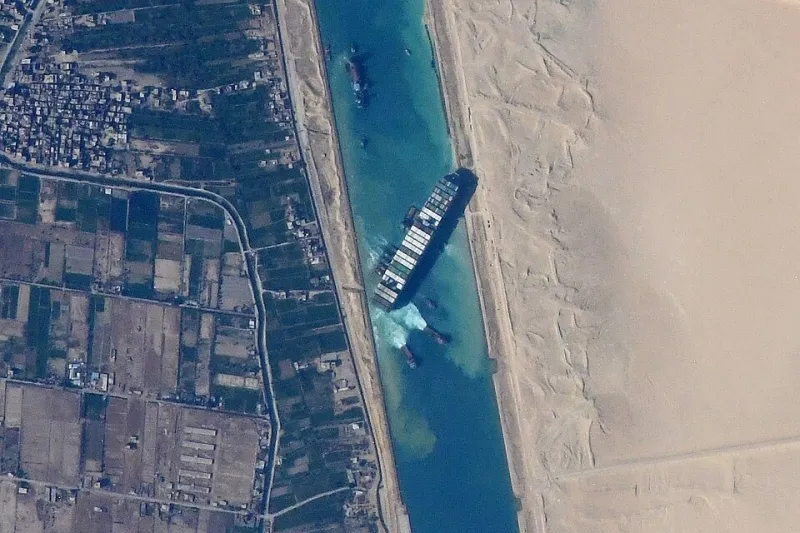
Start your first morning the way Port Saidis do — with a slow walk along the corniche. This broad waterfront promenade runs along the city's edge facing the Suez Canal, and the view is genuinely unlike anything else in the world. Giant container ships glide silently past, seemingly close enough to touch, their hulls towering above the waterline. Grab a coffee from a nearby café, find a bench, and just watch for a while. It sounds simple, but it's oddly mesmerizing.
The Canal House — a beautifully preserved building from 1869 — sits near the waterfront and is worth a look even from the outside. It's one of the oldest structures in the city and a tangible link to Port Said's founding alongside the canal.
Late Morning: The National Museum of Port Said
Head to the National Museum for a well-curated introduction to the region's history, from ancient Egyptian artifacts through to the 1956 Suez Crisis. The museum isn't massive, so you won't need more than an hour or so, but the exhibits on the canal's construction and Egypt's nationalization of it in the 1950s add real depth to what you saw on the waterfront. English-language signage is present, though a local guide can significantly enrich the experience.
Afternoon: Wander the Colonial Quarter
Port Said's downtown area is dotted with 19th and early 20th century buildings that reflect the city's cosmopolitan past — a time when French, British, Greek, and Italian influences all left their mark on the architecture. The wooden balconies, ornate facades, and wide boulevards feel almost like a Mediterranean European city that somehow landed in Egypt. Stroll through the streets around Al-Gomhoreya Square and let yourself get a little lost. This is the kind of neighborhood that rewards slow exploration.
Pop into local shops along the way. Port Said has a long history as a duty-free zone (a status it held for decades that shaped its commercial culture), and you'll find everything from electronics to perfume to clothing at competitive prices.
Evening: Dinner by the Water
For your first dinner, go fish. Port Said's location on the Mediterranean makes it one of the best places in Egypt to eat fresh seafood, and the local restaurants along and near the waterfront deliver. Look for spots serving grilled sea bream, calamari, and shrimp with Egyptian flatbread and mezze on the side. Prices are genuinely affordable by American standards — a full seafood dinner for two, including drinks, often runs well under $30 USD.
After dinner, the corniche comes alive with families, couples, and groups of friends taking the evening air. Join them. It's one of the most pleasant ways to end a day in this city.
Day Two: Beach, Market, and Local Life
Morning: Head to the Beach
Port Said's beaches aren't the turquoise-water, Instagram-famous kind you'd find in the Red Sea resorts, but they have their own laid-back appeal. The beaches along the Mediterranean coast here are popular with locals, particularly on weekends, and the atmosphere is relaxed and family-friendly. Al-Gamil Beach is one of the more accessible options. Arrive early to claim a good spot, bring sunscreen (the Egyptian sun is no joke, even in cooler months), and settle in for a genuinely pleasant morning.
Late Morning: The Local Market
No visit to an Egyptian city is complete without time in a local market, and Port Said's markets are a sensory experience worth embracing. The main market area near the city center buzzes with vendors selling spices, fresh produce, clothing, and household goods. This is where you'll find the best prices on Egyptian souvenirs — think spice blends, handmade textiles, and locally produced goods. Bargaining is expected and part of the fun; start lower than you're willing to pay and meet somewhere in the middle.
Afternoon: The Port Said Lighthouse and Ferry Crossing
The Port Said Lighthouse, one of the oldest in Egypt, is worth a visit for the views and the photo opportunity alone. From its surroundings, you get a sense of the city's layout and its relationship to the canal.
For something genuinely memorable, take the local ferry across the canal to Port Fouad, the smaller city on the eastern bank. The crossing takes just a few minutes and costs almost nothing. Port Fouad has a quieter, more residential feel — lovely old villas, tree-lined streets, and a pace of life that feels even more unhurried than Port Said itself. Walk around, grab a tea at a local café, then head back across. It's a small adventure that most tourists completely miss.
Final Evening: Sunset and Farewell
Spend your last evening back on the corniche for sunset. The light over the canal at dusk is genuinely beautiful — warm and golden, with the silhouettes of ships moving through the water. It's the kind of scene that makes you want to stay longer.
Grab one last meal at a local restaurant, try the Egyptian staple koshary if you haven't yet (a hearty mix of lentils, pasta, rice, and spiced tomato sauce that costs almost nothing and tastes fantastic), and let Port Said send you off properly.
The Bottom Line
Port Said isn't going to replace the Pyramids on most Egypt itineraries, and it doesn't need to. What it offers is something different — a real, breathing Egyptian city with a fascinating history, genuine warmth, and a front-row seat to one of the most important waterways on the planet. For American travelers willing to venture a little off the beaten path, 48 hours here is time very well spent.