Rent for Less Than Your Car Payment: The Real Story Behind Port Said's Shockingly Affordable Housing
Let's start with a number that might make you do a double take: a decent two-bedroom apartment in a respectable Port Said neighborhood can run somewhere between $150 and $350 a month. Not per week. Per month. For Americans currently hemorrhaging $2,500 or more on a one-bedroom in Austin, Denver, or pretty much anywhere on either coast, that figure sounds like a typo. It isn't.
But before you start drafting your resignation letter, it's worth understanding why housing here is so affordable — and what the real tradeoffs look like for US expats thinking about making the move.
What You're Actually Getting for the Price
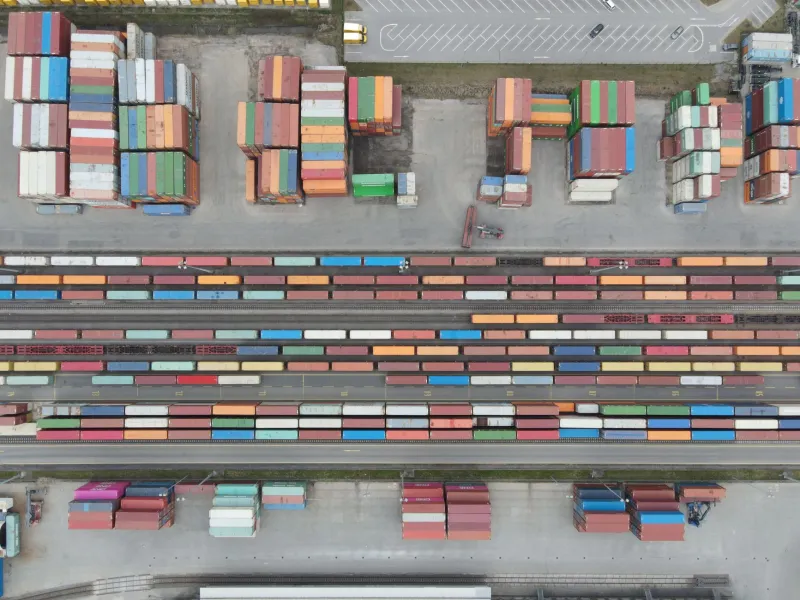
Port Said isn't cheap because it's undesirable. The city sits at the northern entrance to the Suez Canal, which means it has genuine strategic importance, a functioning economy, and a surprisingly cosmopolitan energy built up over more than a century of international maritime traffic. What keeps housing costs low is a combination of factors that have nothing to do with quality of life.
Egypt's real estate market is priced in Egyptian pounds, and the pound has experienced significant depreciation against the US dollar over the past decade — particularly after the 2016 IMF-backed float and again following global pressures in 2022 and 2023. For someone earning dollars, that currency dynamic is essentially a permanent discount. A landlord charging 15,000 EGP per month sounds like a lot until you convert it: at recent exchange rates, that's roughly $300.
Housing stock in Port Said also skews toward older construction. Many apartments were built during the city's mid-20th century boom and haven't been renovated since. You'll find spacious layouts, high ceilings, and large windows — hallmarks of an era when square footage wasn't rationed — but you might also find dated plumbing, older electrical systems, and elevators that inspire creative problem-solving. Newer developments exist, particularly in areas closer to the free zone and along the corniche, but they come at a premium that still looks bargain-level by American standards.
Comparing the Numbers: Port Said vs. the US
To put things in perspective, here's a rough comparison. In Chicago, the median one-bedroom apartment runs around $1,800 a month. In Phoenix, you're looking at $1,400 or more. Even in smaller cities like Columbus or Tucson, finding anything livable under $1,000 is increasingly difficult.
In Port Said, a furnished one-bedroom in a central neighborhood — walking distance to the corniche, near markets and cafes — typically runs $120 to $200 per month. A larger three-bedroom apartment suitable for a family, in a building with a doorman and a parking situation, might hit $400 to $500. At the absolute top end of the expat market, you're looking at $700 to $900 for something genuinely upscale with modern finishes and canal views.
For Americans working remotely and earning US-based salaries, this math is almost absurdly favorable. Even someone making $50,000 a year — modest by American standards — can live very comfortably here while saving at a rate that would be impossible back home.
Navigating Leases as a Foreign National
Here's where things get more nuanced. Egypt's rental market operates largely on informal agreements, and lease negotiations can feel unfamiliar to Americans used to standardized contracts and tenant protection laws. Many landlords prefer short-term arrangements — six months to a year — and may be reluctant to commit to longer leases with foreign tenants they're meeting for the first time.
That said, expat-friendly landlords do exist, particularly in neighborhoods with existing international communities near the free zone. Working with a local real estate agent (called a simsar) is strongly recommended, not just for translation help but because they understand the unwritten norms of local negotiation. Expect to pay the agent a fee equivalent to one month's rent — that's standard practice.
One practical tip: get everything in writing, even if the landlord seems casual about it. Utilities, maintenance responsibilities, and what happens if you need to leave early should all be spelled out. It's also worth knowing that foreign nationals technically need a residency permit to sign a long-term lease, so sorting out your visa situation before apartment hunting will save you headaches.
Currency Fluctuation: The Double-Edged Sword
The currency advantage that makes Port Said so affordable for dollar earners can also create instability. When the Egyptian pound weakens, your purchasing power increases — great news for your monthly budget. But it also means that if you're sending money back to the US, or if your income is tied to Egyptian clients, the math can shift quickly.
For landlords, the depreciating pound has made some of them wary of locking in long-term rents. You may encounter landlords who want to index rent increases to inflation or the dollar exchange rate, which is worth negotiating carefully. On the flip side, if you're paying rent in pounds and earning in dollars, a weaker pound is actually a benefit to you.
The broader point is that anyone treating Port Said housing as a financial investment — rather than just a place to live affordably — needs to factor in currency risk as a real variable, not a theoretical one.
Can Americans Actually Buy Property Here?
Foreign nationals, including Americans, can legally purchase property in Egypt, but the process involves more bureaucracy than a typical US real estate transaction. You'll need a valid residency permit, and the purchase must be registered with the Real Estate Publicity Department. There are also restrictions on the number of properties a foreign national can own (typically capped at two) and limitations on certain types of land.
That said, property values in Port Said remain low enough that even with the added friction, some long-term expats have found buying more cost-effective than renting. A modest apartment in a mid-tier neighborhood might sell for the equivalent of $20,000 to $40,000 — figures that are genuinely hard to contextualize from an American perspective, where that amount barely covers a down payment.
The honest caveat: Port Said's property market is not immune to geopolitical volatility. Events that affect Suez Canal traffic — regional conflicts, diplomatic tensions, global shipping disruptions — can ripple through the local economy and dampen property values. Anyone thinking about buying here as an investment, rather than as a home base, should approach it with realistic expectations and a long time horizon.
The Bottom Line for Expats
Port Said's housing market is genuinely affordable, and that affordability is real rather than illusory. For Americans with dollar-denominated income, the financial case for living here is strong — especially if you're flexible, comfortable navigating an informal rental market, and willing to do a little homework on the legal side of things.
What it isn't is a risk-free opportunity. Currency swings, geopolitical events, and the relative lack of tenant protections compared to US norms are all factors worth taking seriously. But for the right person — someone who's done their research, connected with the expat community already here, and approached the move with open eyes — Port Said might just be the most affordable city you've never seriously considered calling home.