Before the Mayday Call: Inside the Coast Guard Unit Standing Watch Over the World's Busiest Waterway
Imagine you're standing on the deck of a container ship loaded with electronics, clothing, and car parts bound for Newark. You're moving through a channel barely wider than a few football fields, with another massive vessel passing close enough that you could theoretically toss a rope across. It happens hundreds of times a day at the northern entrance to the Suez Canal, right off the coast of Port Said.
And almost nothing goes wrong.
That's not luck. That's a maritime safety operation most Americans have never heard of, staffed by people who train obsessively for emergencies they hope will never come.
The Quiet Infrastructure of Global Trade
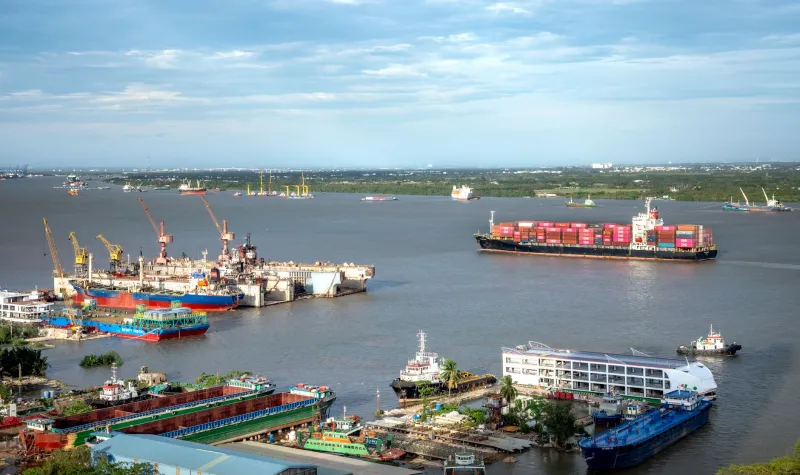
Port Said sits at the Mediterranean end of the Suez Canal, making it the first and last point of contact for virtually every ship transiting between Europe and Asia. More than 50 vessels pass through on a busy day. Some of them are among the largest moving objects ever built by human hands—ultra-large container ships that stretch nearly a quarter mile from bow to stern.
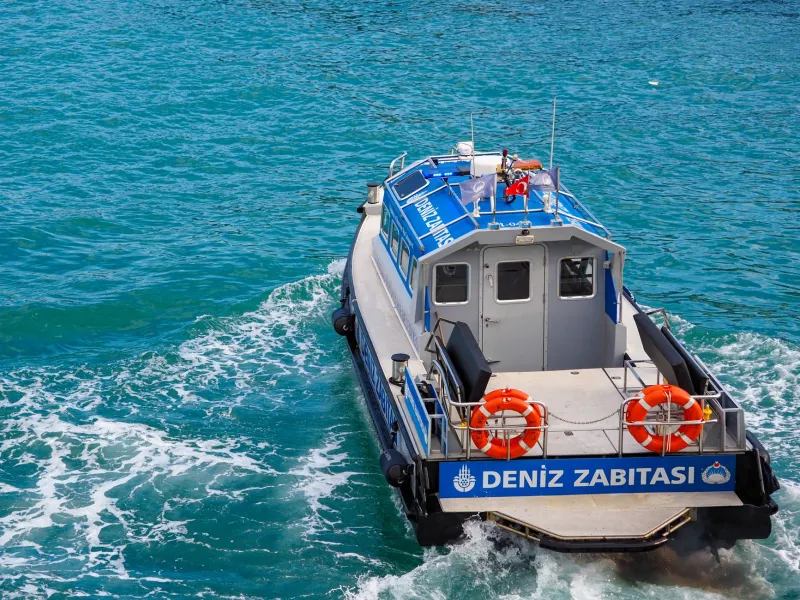
Coordinating that kind of traffic without incident requires more than traffic lights and good intentions. Egypt's maritime safety apparatus in Port Said includes coast guard patrol units, rescue coordination centers, firefighting vessels, and emergency response teams that operate 24 hours a day, every single day of the year.
Think of them as the air traffic controllers of the sea—except the stakes include not just delayed flights, but potential oil spills, ship collisions, and blockages that could ripple through the global economy within hours.
What They Actually Do All Day
The public image of a coast guard tends to involve dramatic helicopter rescues or high-speed chases. The reality in Port Said is more methodical—and in many ways, more impressive.
Patrol vessels run continuous circuits along the canal's northern approach, monitoring ship movements, checking that vessels are maintaining safe speeds and proper spacing, and watching for anything that looks even slightly off. Officers track weather changes that could affect visibility or create hazardous conditions in the channel. Communication teams stay in constant contact with incoming ships, gathering information about cargo, draft depth, and any mechanical issues before a vessel ever enters the canal.
That last part matters more than it might seem. A ship that enters the canal with a known hydraulic issue is a very different risk than one that breaks down unexpectedly mid-transit. Pre-entry screening lets the safety teams prepare rather than react.
Training for the Worst
The scenarios these crews train for read like disaster movie plots. A fully loaded tanker losing steering control in the channel. A cargo fire breaking out on a vessel carrying hazardous materials. A collision between two ships in the middle of a convoy. Engine failure on a vessel so large that standard tugboats can't easily redirect it.
Drills happen regularly, and they're not the kind where everyone walks through the motions at half speed. Rescue teams practice in actual open water, running timed exercises that simulate real emergency conditions. Firefighting crews train specifically for marine blazes, which behave very differently from land-based fires—fuel-fed, wind-affected, and often complicated by the presence of chemicals or pressurized gases in the cargo hold.
Divers are part of the picture too. Underwater inspection teams can assess hull damage, check for fouled propellers, and assist with emergency repairs in situations where bringing a ship to dry dock isn't immediately possible.
When Things Do Go Sideways
For all the preparation, emergencies still happen. The canal's history includes groundings, fires, and the kind of mechanical failures that keep maritime engineers up at night. In most cases, the speed and professionalism of Port Said's response teams has prevented bad situations from becoming catastrophic ones.
In incidents that have made international news, tugboat crews from Port Said have been among the first responders—working in difficult conditions to reposition stranded vessels before they caused wider channel blockages. Less publicized are the dozens of smaller interventions that happen each year: a vessel with a malfunctioning anchor system guided safely to a holding area, a crew member with a medical emergency evacuated to shore in time, a fuel leak contained before it spread.
Those quieter saves rarely make headlines. But maritime industry professionals know they're happening, and they factor into decisions about routing ships through the canal versus longer alternative paths.
The Human Element
It's easy to think about maritime safety in terms of equipment—radar systems, patrol boats, firefighting gear. The technology is genuinely impressive. But the people running it are what actually make the system work.
Officers in Port Said's coast guard units typically carry years of sea experience before moving into safety and rescue roles. Many have worked aboard commercial vessels themselves and understand firsthand how quickly conditions can change on open water. That practical background shapes the way they assess risk—less by the book, more by instinct built from real experience.
There's also a coordination element that doesn't get enough credit. Port Said's maritime safety teams work alongside the Suez Canal Authority, international shipping companies, harbor pilots, and in some cases foreign coast guard agencies when vessels from other nations are involved. Getting all those parties aligned during an active emergency, across language barriers and time zones, is its own kind of skill.
Why This Matters to American Shoppers
Here's the thing: the average American has a very direct stake in how well Port Said's maritime safety infrastructure performs, even if they've never thought about it once.
About 12 percent of global trade moves through the Suez Canal. That includes oil, electronics, clothing, furniture, pharmaceuticals, and agricultural products. A major incident in the canal's northern approach—the kind that takes days or weeks to fully resolve—can create supply chain disruptions that show up as empty shelves and rising prices thousands of miles away.
The 2021 grounding of the Ever Given offered a vivid preview of what that looks like. In that case, the vessel was eventually freed. But the event underscored just how fragile the system is, and how much depends on the people and equipment positioned to respond when something goes wrong.
Port Said's coast guard isn't just protecting ships. They're protecting the supply chain that stocks American stores, fuels American cars, and connects American consumers to manufacturers on the other side of the planet.
Worth Knowing If You Visit
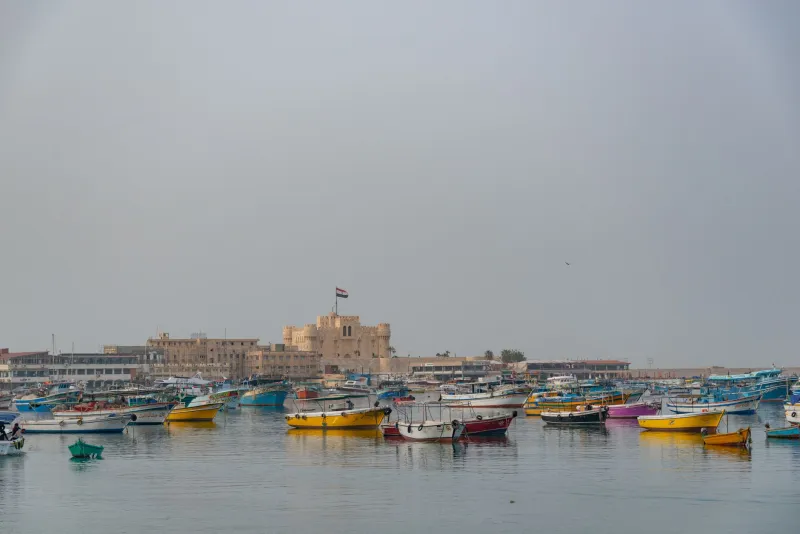
If you make it to Port Said—and it's genuinely worth the trip—you'll likely spot coast guard and patrol vessels moving through the harbor at various points during the day. The waterfront offers some of the best vantage points for watching canal traffic, and with a little patience, you'll see the full ecosystem of vessels that keeps things running: container ships, tankers, tugboats, pilot boats, and yes, the patrol craft making their quiet rounds.
It's one of those places where the scale of global commerce becomes suddenly, viscerally real. And knowing a little about the safety operation running underneath it all makes the view that much more interesting.