From Fiber to Fast Fashion: Port Said's Hidden Textile Industry Is Quietly Dressing America
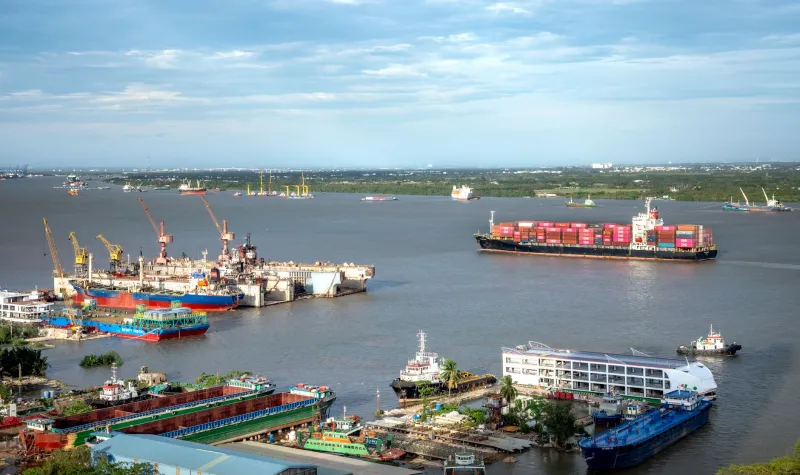
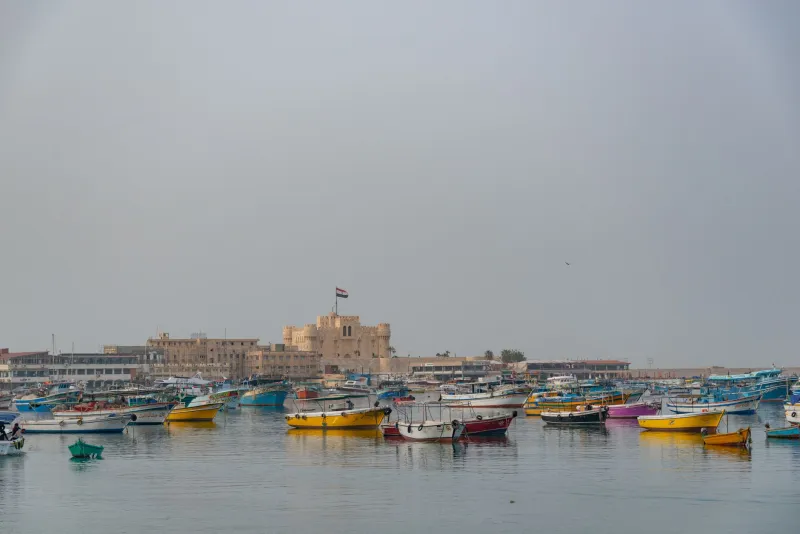
Pull back the tag on your favorite affordable T-shirt. There's a decent chance it says "Made in Egypt" — and if it does, the story behind that label probably winds right through Port Said. Most Americans think of this city purely as a shipping checkpoint, the northern gate of the Suez Canal where massive container vessels queue up before their long push south. But tucked behind the waterfront cranes and the cargo terminals is a manufacturing sector that rarely makes headlines: one of the region's most productive textile processing and garment finishing industries.
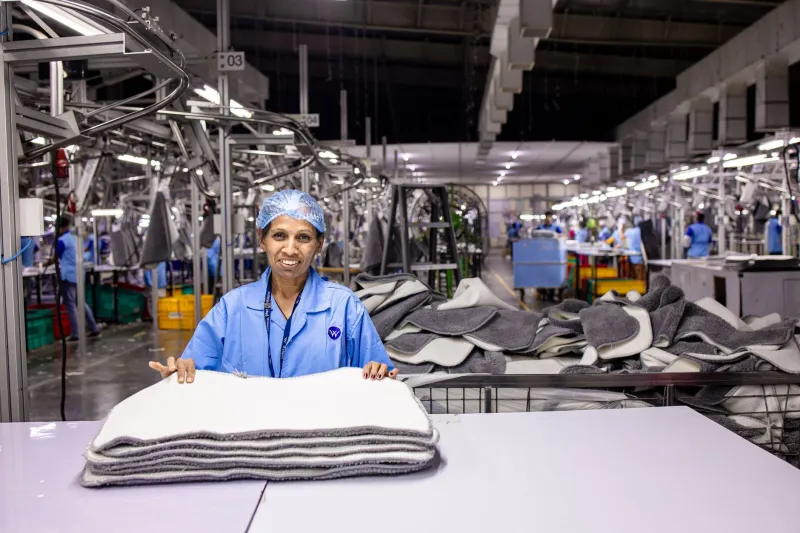
This isn't your grandmother's cotton mill. Port Said's textile facilities are modern, chemical-intensive operations that take raw or semi-processed fibers and turn them into the finished, dyed, treated fabrics that eventually get cut and sewn into the clothes hanging in your closet. It's a world most consumers never think about — and one that the people running these mills are, frankly, fine keeping quiet.
Why Port Said? The Geography Makes the Math Work
The location is almost absurdly convenient for global manufacturing. Port Said sits at the intersection of African raw material supply chains, Asian manufacturing networks, and European and North American consumer markets. Cotton grown in Egypt's Nile Delta — some of the finest long-staple cotton in the world — can reach Port Said's processing facilities within hours. Finished goods can be loaded onto vessels bound for the US East Coast without ever needing to leave the immediate port zone.
That efficiency isn't accidental. Egypt has spent decades cultivating free trade agreements and Qualified Industrial Zone (QIZ) arrangements that allow Egyptian-made goods, including textiles, to enter the US market duty-free under certain conditions. For American retailers sourcing budget-friendly basics — think mass-market T-shirts, athleisure wear, and everyday denim — Egypt's manufacturing ecosystem checks a lot of boxes: low labor costs, proximity to raw materials, and favorable trade terms.
Port Said, specifically, benefits from its free zone status, which reduces import duties on the machinery and chemicals that textile processing requires. That cost advantage gets passed along, eventually, to the consumer browsing the sale rack.
Inside the Mills: What Actually Happens to Your Future T-Shirt
The process is more complex than most people expect. Raw cotton arrives either as baled fiber or as grey fabric — undyed, unfinished cloth that looks nothing like the polished material it will eventually become. What happens next involves a surprisingly intensive sequence of chemical and mechanical treatments.
First comes scouring, a process that strips the natural waxes, oils, and impurities from the fiber using alkaline solutions. Without this step, dye wouldn't penetrate evenly, and the fabric would feel stiff and rough. After scouring, the material goes through bleaching — typically with hydrogen peroxide — to achieve the clean white base that makes vibrant colors possible.
Then there's the dyeing itself, which is far more science than art at industrial scale. Port Said's mills use reactive dyes for cotton, a class of synthetic colorants that form actual chemical bonds with the fiber rather than just coating the surface. The result is colorfastness — that's the reason your navy blue shirt doesn't bleed all over the laundry after fifty washes. Temperature, pH, salt concentration, and timing all have to be precisely controlled. A miscalculation means an entire batch gets rejected.
Finishing treatments come last: softeners to improve hand feel, wrinkle-resistant coatings for dress shirts, moisture-wicking finishes for athletic wear. By the time a bolt of fabric leaves a Port Said facility, it has been transformed almost entirely from what it was when it arrived.
The Workers Behind the Fabric
The mills employ thousands of Port Saidis, and the workforce skews younger than you might expect. Textile processing is physically demanding — hot, chemically pungent environments where workers spend long shifts on their feet — but it offers stable wages in a city where the formal employment market can be competitive. Many workers are women, particularly in quality control and finishing departments, which aligns with broader patterns in Egyptian textile manufacturing.
Local technical schools have adapted their curricula to feed the industry, offering coursework in textile chemistry and mechanical maintenance for dyeing equipment. It's not glamorous work, and labor advocates have raised ongoing concerns about chemical exposure and working conditions across Egypt's manufacturing sector broadly. But in Port Said, the textile industry represents one of the more consistent employment pipelines available to residents without university degrees.
Talk to anyone who has worked in the mills for more than a few years and you'll hear a mix of pragmatism and quiet pride. There's an awareness that the fabric they're treating will end up worn by people who have no idea where it came from — and a certain satisfaction in knowing that the work they do is what makes that journey possible.
The American Connection Most Shoppers Miss
Here's the part that tends to surprise people: the US is one of the largest markets for Egyptian textile exports. According to trade data, Egypt consistently ranks among the top sources for American textile and apparel imports, with the relationship strengthened by the QIZ agreements that have been in place since the mid-2000s. Brands across the price spectrum — from budget basics to mid-tier department store labels — source from Egyptian facilities.
Port Said's mills aren't typically doing the cutting and sewing; that final assembly often happens elsewhere in Egypt or gets split across multiple countries. But the dyeing and finishing work that happens here is a prerequisite for everything downstream. Without it, there's no finished fabric to cut. Without finished fabric, there's no garment to ship. Without the garment, there's nothing to sell.
That chain of dependency is easy to overlook when you're standing in a store, comparing two nearly identical hoodies and reaching for the cheaper one. The price difference between a $15 shirt and a $50 shirt involves a hundred decisions made in facilities exactly like the ones operating in Port Said right now.
A City That Makes More Than You Think
Port Said has always been defined by its role as a transit point — a place where things pass through on their way to somewhere else. But the textile industry is a reminder that the city also makes things, and that the making matters. The canal gets the attention, the cargo ships get photographed, and the logistics networks get analyzed in trade publications. Meanwhile, the mills keep running.
Next time you're folding laundry and you catch that "Made in Egypt" tag, there's a real chance you're holding something that was processed a few kilometers from the Suez Canal's northern entrance — dyed, treated, and finished by workers you'll never meet, in a city that most Americans couldn't place on a map. That's not a criticism. It's just the reality of how global manufacturing works, and Port Said is quietly, efficiently, right at the center of it.