3 AM in Port Said: The Night Shift Workers Who Never Let the World's Supply Chain Sleep
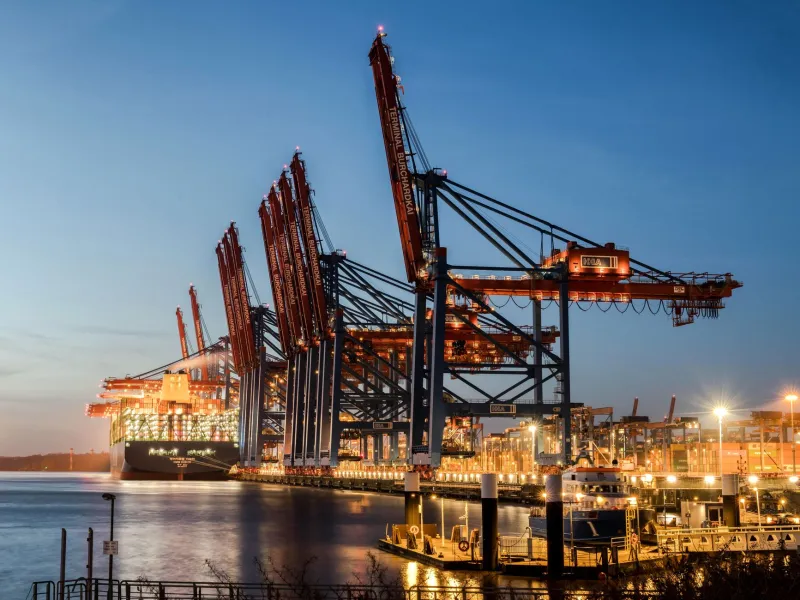
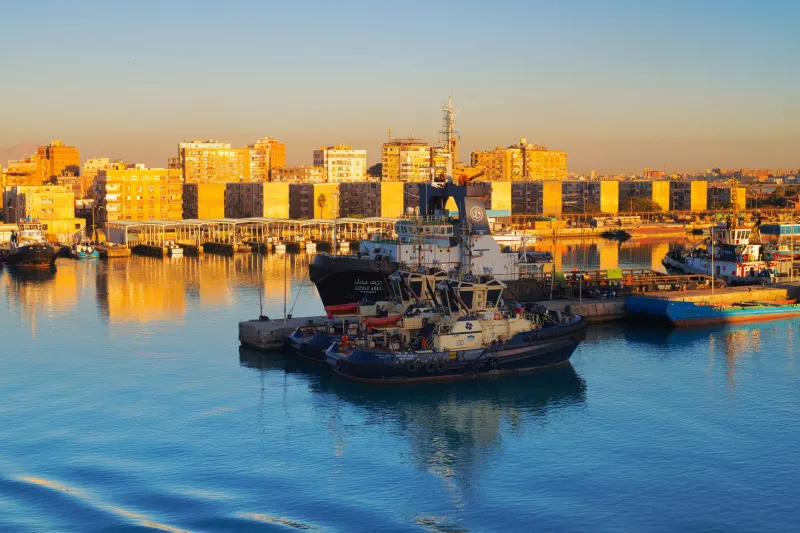
It's 3:17 in the morning and the Port Said waterfront is anything but quiet. Flood lamps blast white light across container stacks the size of apartment buildings. A radio crackles somewhere near the quay. A forklift beeps its way backward through a maze of shipping pallets while a dispatcher in a glass-walled office coordinates the movement of a Panamax bulk carrier that left Rotterdam six days ago and is now idling at the canal's northern entrance, waiting for clearance.
Somewhere in Ohio, a warehouse manager is about to start his morning coffee. He has no idea that the auto parts he's expecting Thursday are currently being processed by a man named Ahmed who hasn't seen daylight in four hours and won't for another three.
This is the midnight economy of Port Said — and it runs every single night, without exception.
The Canal Has No Off Button
The Suez Canal operates on a 24-hour cycle, every day of the year. That's not marketing language. That's the structural reality of moving roughly 12 to 15 percent of global trade through a single narrow waterway. There's no pause button. No scheduled downtime. No holiday closure. When Christmas morning hits in the US, the canal is still processing northbound convoys. When a nor'easter shuts down the Eastern Seaboard, ships are still queuing off Port Said's coast.
The Suez Canal Authority — the government body that manages operations — runs the waterway in staggered convoy systems. Ships don't just sail through freely; they're organized into northbound and southbound groups that pass through the canal at scheduled intervals, coordinated down to the minute. That kind of precision doesn't happen by accident. It requires a workforce that operates in rotating shifts, around the clock, managing everything from vessel traffic monitoring to emergency response.
According to facility managers who work the northern end of the canal near Port Said, staffing peaks during the evening hours — not because that's when leadership prefers it, but because global shipping schedules often route high-priority vessels through during off-peak daylight hours in Europe and Asia, which lands squarely in the middle of the night for Egypt.
What Actually Happens After Midnight
Ask most Americans where their goods come from and they'll say China, maybe Vietnam or Bangladesh. Ask them what happens between the factory and their front door and most will shrug. Port Said is a huge part of that gap.
At the container terminals near the canal entrance, night shifts handle everything from cargo verification to customs documentation to physical loading and unloading. Crane operators — some of the highest-paid workers at the port — run massive ship-to-shore cranes that can lift 40-ton containers with the kind of precision that would make a surgeon envious. They do this in the dark, guided by cabin monitors and radio communication, often for eight-hour stretches.
"You don't think about the time after a while," one crane operator explained through a translator during a late-night port visit. "The ship doesn't care what time it is. The cargo doesn't care. You just focus on the work."
Downstairs from the crane cabins, logistics coordinators are managing digital freight manifests, cross-referencing cargo against customs declarations, and flagging anything that needs secondary inspection. A mislabeled container — even an honest paperwork error — can trigger a hold that cascades into delays at the destination port days later. Catching it at 2 AM in Port Said is infinitely better than discovering it at a distribution center in Memphis at noon.
When Something Goes Wrong at 3 AM
The fragility of this system becomes most visible when something breaks. A hydraulic failure on a crane. A power fluctuation that takes down a terminal's cargo management software. A fuel line issue on a tugboat needed to guide a vessel into position.
Port Said's port authority keeps maintenance crews on-site 24 hours a day specifically because the cost of downtime is measured in hours, not days. A single container ship waiting at anchor burns through thousands of dollars in fuel per day. Multiply that by a queue of 40 ships and you're looking at economic damage that registers in quarterly reports for companies headquartered in Seattle, Atlanta, and everywhere in between.
"We had a belt failure on one of the conveyor systems at about 3 in the morning last winter," recalled one facility operations manager at a terminal near the canal's northern mouth. "We had a repair crew on it within 20 minutes. By 5 AM we were back to full capacity. If that had been a two-hour fix instead of a two-hour turnaround, three ships would have missed their convoy window. That's a 24-hour delay minimum for each of them."
For US retailers, a 24-hour delay on a single vessel can mean the difference between a product hitting shelves before a promotional window or missing it entirely. Seasonal goods — holiday merchandise, back-to-school items, summer outdoor furniture — are especially vulnerable. The math is unforgiving.
The Human Side of the Night Economy
Beyond the logistics, there's a real human infrastructure holding all of this together. Port Said has built an entire support economy around the fact that thousands of workers are active during hours when most of the city is asleep. Late-night food stalls near the port district do brisk business between midnight and 4 AM. Minibus routes that serve shift workers run on schedules most tourists would never know about. Small pharmacies near the waterfront keep extended hours because workers on 12-hour overnight shifts don't have the luxury of waiting until morning.
Families adjust, too. Spouses of night-shift workers talk about reconfiguring household schedules — keeping kids quiet during the day, shifting dinner to what most people would call breakfast time, building a life around a clock that runs opposite to the rest of the neighborhood.
It's a subculture that's easy to miss if you're visiting Port Said as a tourist. But if you're up early enough — or staying out late enough — you'll catch glimpses of it. The workers heading home at sunrise, still in their high-visibility vests. The tea stalls doing their second rush of the day at 6 AM. The canal, glittering under the early light, moving ships that left their home ports before most Americans had filed their taxes.
Why Americans Should Care
The night shift in Port Said isn't a curiosity. It's load-bearing infrastructure for the American consumer economy. The sneakers, the electronics, the furniture, the pharmaceuticals — a staggering portion of it moves through this waterway, processed by workers who will never see the inside of a US store but who make it possible for those stores to stay stocked.
Next time you're tracking a package and it says "in transit" with no further detail, there's a decent chance it's somewhere in this system — maybe sitting in a convoy queue off the coast of Port Said, maybe being logged into a manifest by someone working the overnight at a terminal that never turns its lights off.
The world's supply chain doesn't sleep. And in Port Said, neither does the workforce that keeps it running.